How We Teach Jazz Movement
Structured progression built on rhythm, body awareness, and practical technique
Rhythmic Foundation
We start with syncopation patterns and timing exercises that build musical awareness. Students learn to isolate beats, recognize phrasing, and respond to tempo changes before adding complex movement. This creates dancers who move with the music rather than on top of it.
Body Mechanics
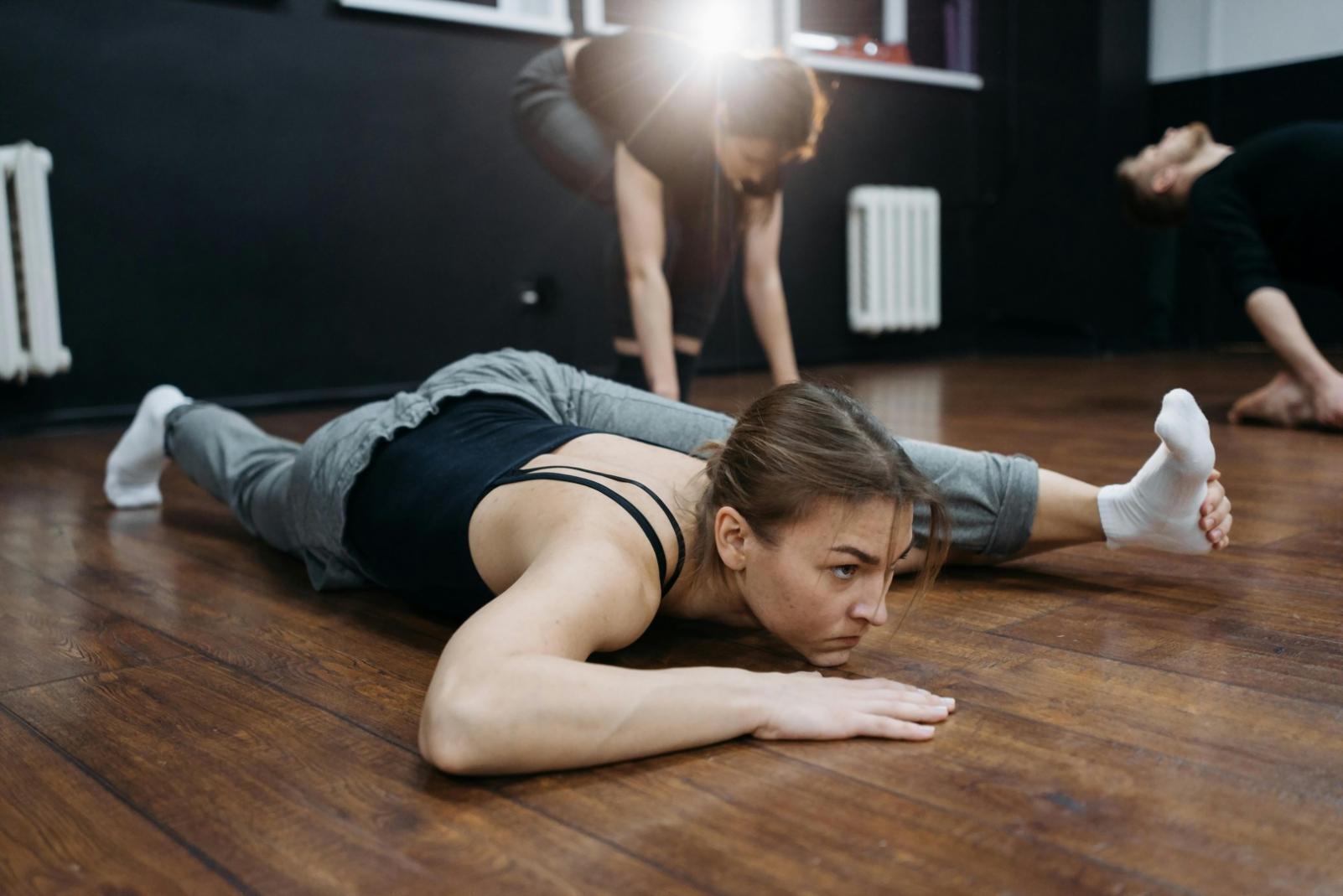
Each class includes targeted work on posture alignment, core engagement, and joint articulation. We break down isolations into their component parts and practice them in different positions. This gives students control over individual body segments and prevents compensation patterns that lead to injury.
Progressive Layering
New material builds directly on what students already know. We introduce one technical element at a time, practice it until it becomes reliable, then add the next layer. This approach prevents overwhelm and lets dancers integrate new skills at a sustainable pace.
Repetition With Variation
The same movement phrase gets practiced in different formations, facings, and tempos. We change one variable while keeping others constant, which helps students understand the core principle rather than just memorizing choreography. This builds adaptability and deeper comprehension.
Immediate Correction
Instructors address technical issues as they appear, providing specific adjustments and demonstrating correct execution. Students receive individual feedback during class and learn to self-correct by understanding the difference between what they feel and what actually happens in their bodies.
Practical Application
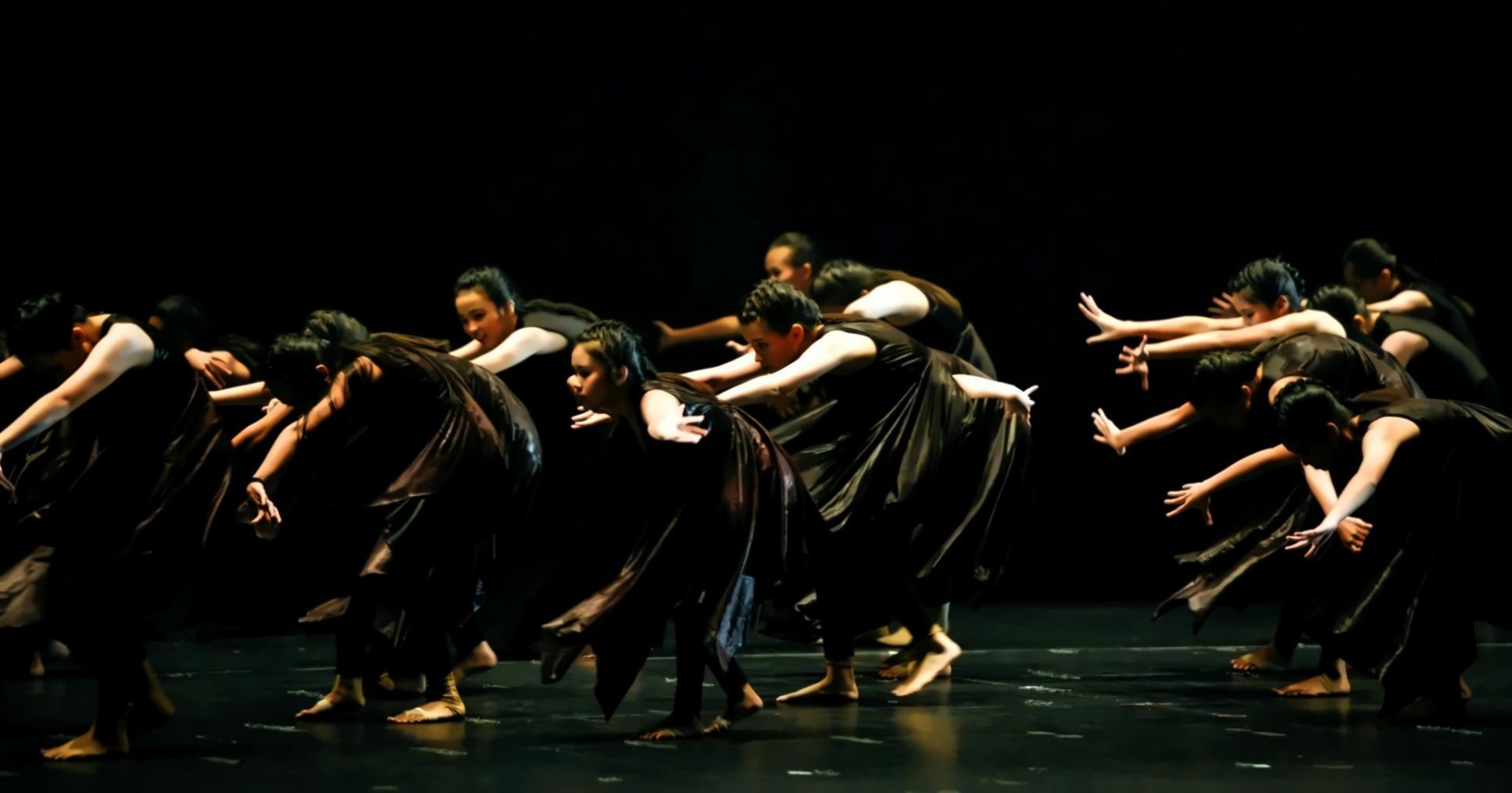
Every technical drill connects to actual choreography. Students see how isolations become styling, how rhythm work translates to performance quality, and how body mechanics support expression. This keeps training relevant and shows clear purpose for each exercise.
Building Skill Over Time
Jazz dance requires coordination between multiple systems working simultaneously. We structure curriculum so students develop these capabilities in sequence, ensuring each skill becomes reliable before adding complexity. Progress happens through consistent practice with clear benchmarks at each stage.
- Movement Vocabulary Students learn fundamental positions, basic locomotion patterns, and essential jazz shapes. This establishes a common language and builds the physical dictionary needed for more complex combinations.
- Rhythmic Integration We add musicality exercises that connect movement to specific counts and phrasing. Students practice hitting accents, adjusting timing, and distinguishing between different rhythmic structures while maintaining technique.
- Stylistic Development Once technical execution becomes consistent, we introduce performance quality and personal expression. Students learn how to add dynamics, interpret music emotionally, and develop their individual movement signature within jazz vocabulary.
- Choreographic Application Advanced students work on full pieces that combine everything learned. They practice transitions between movement qualities, manage energy throughout extended sequences, and perform with intention and clarity.